Article
Jan 6, 2026
Case Study: Driving Foot Traffic to a Bar-Restaurant Using Paid Advertising Only
Client: City Bar-Restaurant Industry: Hospitality & Nightlife Service: Paid Advertising (Search & Social Media) Goal: Increase foot traffic, event attendance, and revenue through performance marketing
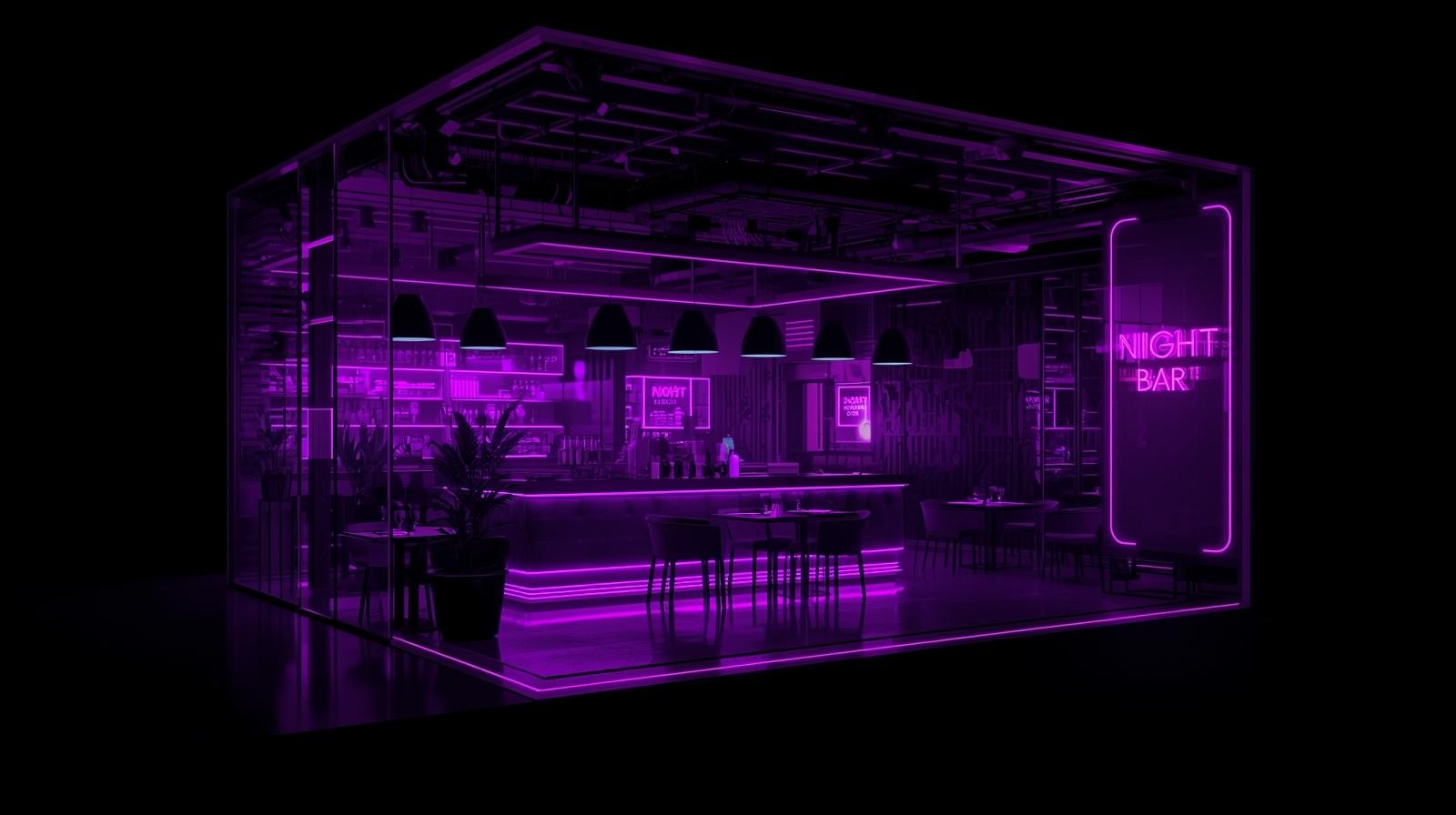
The bar-restaurant operated in a highly competitive urban area with dozens of similar venues nearby. While the concept, menu, and atmosphere were strong, organic reach was limited, and guest flow depended heavily on weekends.
The client did not require a website redesign or social media management.
The objective was clear and measurable:
Use paid advertising only to consistently bring new guests to the venue.
Our Advertising-First Strategy
As a performance-focused marketing agency, we built a system where every decision was driven by data, testing, and conversion signals — not aesthetics or assumptions.
Step 1: Defining Conversion Goals
Before launching ads, we identified what “success” meant in real business terms:
Direction requests and location clicks
Calls and messages
Event awareness and peak-hour visits
Retargeting guests who already interacted with ads
Step 2: Search Engine Advertising (High-Intent Traffic)
We launched paid search campaigns targeting users actively looking for:
Bars and restaurants nearby
Cocktail bars, nightlife spots, and late-night venues
Places for after-work drinks and weekend plans
Key focus areas:
Location-based keywords
Time scheduling aligned with peak demand
Competitive bidding during high-intent hours
Result: Ads captured demand exactly when users were ready to decide where to go.
Step 3: Social Media Advertising (Demand Generation)
While search captures intent, social media creates it.
We launched paid campaigns on social platforms focused on:
People within a defined radius of the venue
Lifestyle and nightlife interests
Time-sensitive creatives before evenings and weekends
Ads promoted:
Atmosphere and energy
Events and themed nights
Limited-time offers
No profile management or posting was required — ads worked independently as traffic drivers.
Step 4: Creative Testing and Optimization
Every ad was treated as a hypothesis.
We continuously tested:
Visuals vs. short video
Event-focused vs. experience-focused messaging
Urgency-based vs. lifestyle-based copy
Underperforming ads were paused quickly.
Winning creatives were scaled aggressively.
Result: Cost per result decreased while foot traffic increased.
Step 5: Retargeting and Repeat Visits
We built retargeting audiences from:
Search ad interactions
Social ad engagement
Users who showed intent but did not visit immediately
Retargeting ads focused on:
Upcoming events
Weekend reminders
Social proof and urgency
Result: Higher return visits and improved campaign efficiency.
Results
Within the first months of paid advertising:
Consistent weekday and weekend traffic
Increased event attendance driven entirely by ads
Predictable guest flow during peak hours
Clear attribution between ad spend and real-world results
Most importantly, the client gained control over demand, rather than relying on organic discovery.
Key Insight
For bar-restaurants, paid advertising is not just a promotion tool —
it is a traffic management system.
When executed correctly, search and social ads can:
Capture existing demand
Create new demand
Influence real-world decisions in real time
Conclusion
This case proves that a bar-restaurant does not need complex marketing ecosystems to grow. With a focused paid advertising strategy, it is possible to drive measurable results quickly and consistently.
As a performance marketing agency, we don’t manage appearances — we manage outcomes.